-
 Wsparcie ekspertów
 -
 Rozszerzona ochrona
 -
 Szybka wysyłka


New
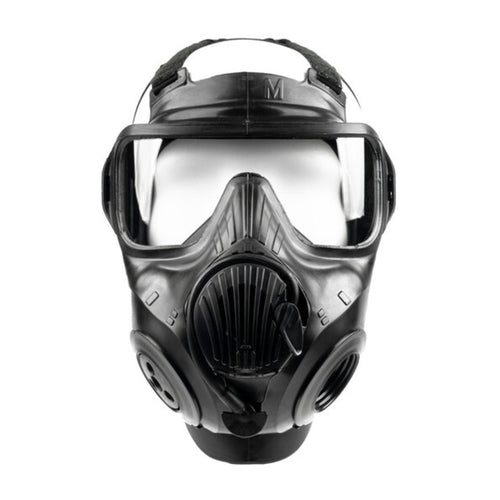
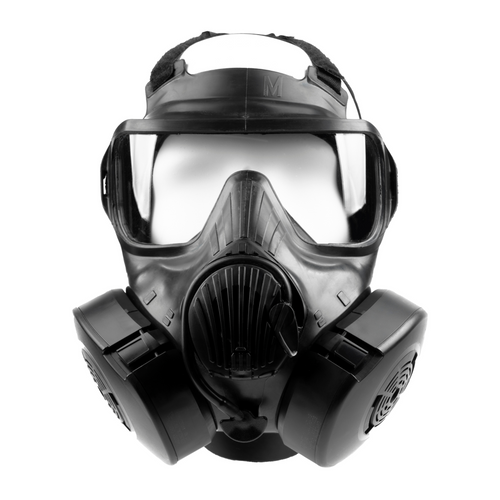
Półmaska filtrująca powietrze PC50™
Maska ochronna Avon Protection PC50™ jest oparta na szeroko stosowanych maskach serii 50 i została zaprojektowana, aby zapewniać ochronę w niebezpiecznych i skażonych środowiskach, w których wymagany jest solidny, sprawdzony w warunkach terenowych, konkurencyjny cenowo produkt o wojskowej specyfikacji, spełniający wymagania operacyjne.
Jako urządzenie ochrony dróg oddechowych zatwierdzone do zastosowań innych niż CBRN zapewnia ochronę w niebezpiecznych i skażonych środowiskach przed określonymi stałymi i ciekłymi cząstkami respirabilnymi, gazami, oparami oraz rozpryskami ciekłych substancji chemicznych.
Maska PC50 została opracowana specjalnie z myślą o użytkownikach dysponujących ograniczonym budżetem. Jest używana przez służby ratownicze, funkcjonariuszy służby więziennej, jednostki kontroli zamieszek, straż graniczną, służby ochrony zakładów oraz w innych zastosowaniach innych niż CBRN.
Maska PC50 jest dostępna w trzech rozmiarach, z mocowaniami pochłaniaczy 40 mm po lewej lub prawej stronie, przystosowanymi do tradycyjnych lub dopasowanych filtrów. Standardowy port komunikacyjny umożliwia integrację z używanymi radiotelefonami. Maskę PC50 można wyposażyć w system korekcji wzroku oraz różne osłony zewnętrzne do określonych sytuacji operacyjnych.
Produkt wysyłany w ramach realizacji zamówień e-commerce może być starszy niż rok.
Uwaga: ten produkt zostanie wysłany w ciągu 10 dni.
Key Features
- Designed to provide protection in dangerous and non-CBRN environments
- Downward exhalation cover prevents exhaled moist air from fogging helmet visors
- Filters can be mounted either side providing improved capability for shoulder-mounted devices
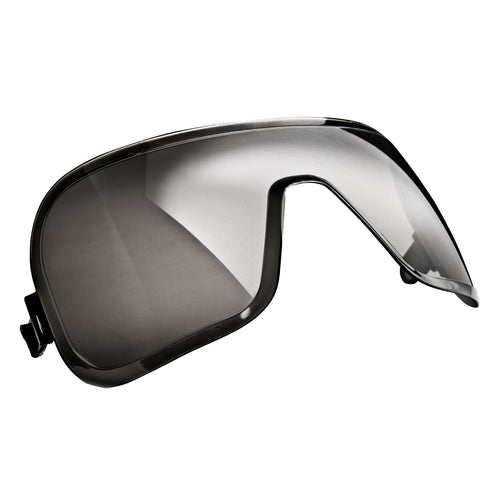
- Visor is highly flexible, scratch and impact resistant
- Engineered for rapid donning in high-stress scenarios
Warnings and Limitations
- Use only in accordance with product instructions, approved configurations and local regulations
Export Control Information
- The U.S. Government has certain controls over the PC50 and prohibits the exporting, selling, transferring, transporting, or shipping of the product outside the U.S. without first obtaining approval from the U.S. government, or as authorized by U.S. law and regulations. This restriction applies whether the product is in its original form or has been incorporated into other items. This product is subject to Export Administration Regulations (EAR) with a classification of 1A004
AVONPLUS
- Supported by AVONPLUS training and service programs to help users remain protected, confident and compliant